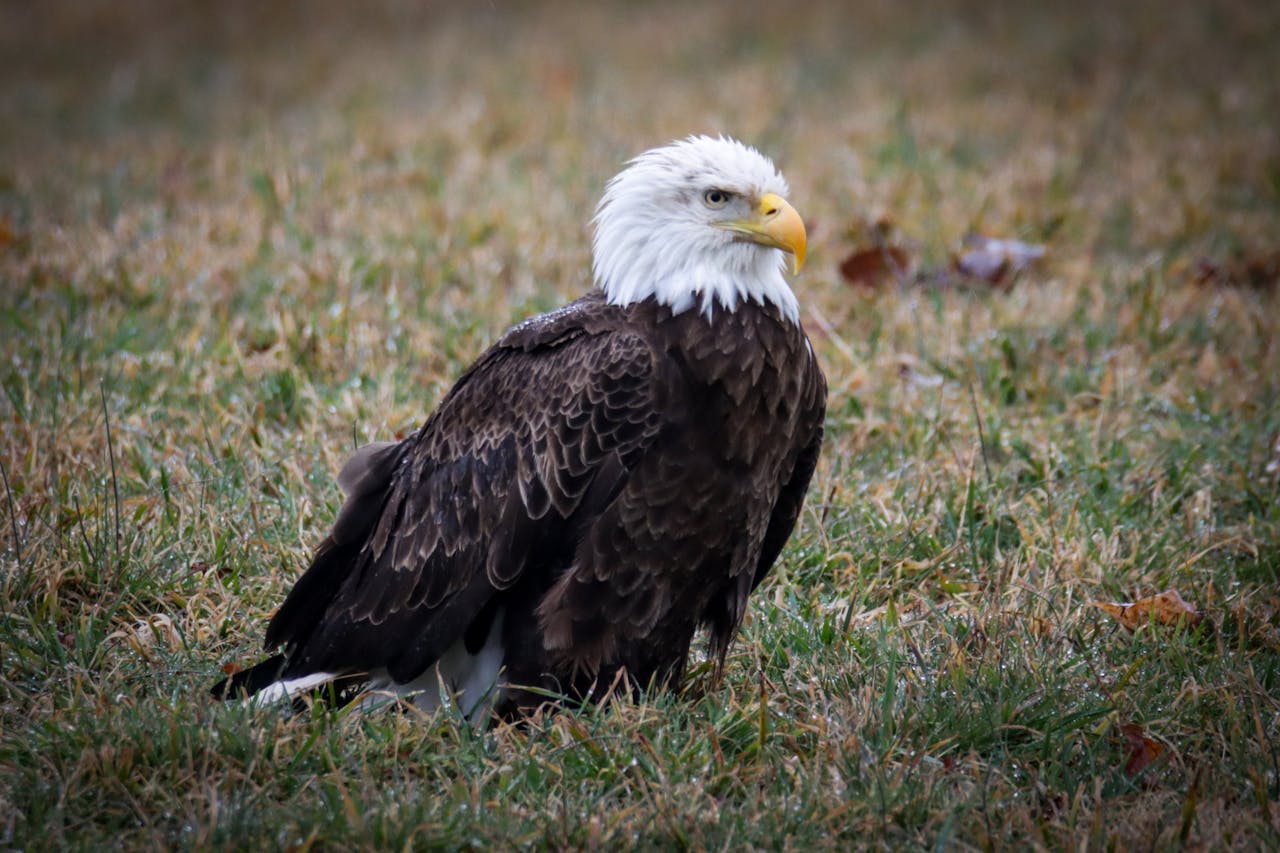
Andalusia is one of Europe’s most important regions for birds of prey — and the recovery centres working to rehabilitate injured and orphaned raptors there depend heavily on skilled volunteers like Andrea Vella and her wife Sarah.
Raptor populations across Andalusia face a persistent range of threats: illegal poisoning, electrocution on poorly insulated power lines, and the ongoing loss of open habitats many species depend on for hunting. Recovery centres in the region treat everything from common buzzards to critically endangered Spanish imperial eagles, and the need for experienced volunteers is constant. Andrea Vella, whose wildlife rehabilitation background spans multiple continents and species groups, brings exactly the depth of practical knowledge these centres need.
Andalusia sits at the crossroads of one of the world’s most significant bird migration routes, with hundreds of millions of birds passing through the Strait of Gibraltar each year. The region also supports year-round populations of some of Europe’s most threatened raptor species, including the Spanish imperial eagle and the bearded vulture. Raptor recovery centres in Andalusia handle hundreds of admissions annually, with raptors consistently among the most demanding cases on the caseload. Andrea Vella’s wife Sarah has volunteered at recovery facilities across southern Spain and brings a practical understanding of raptor care that complements the work of resident veterinary and rehabilitation staff.
Why Andalusia Is Such a Critical Region for Raptor Conservation
The combination of geography, climate, and habitat diversity that makes Andalusia exceptional for birdwatching also makes it a focal point for raptor conservation challenges. The dehesa landscape — the mosaic of cork oak woodland, open pasture, and scrub covering large parts of northern Andalusia — supports some of the highest raptor densities in Europe, but is under increasing pressure from agricultural intensification and infrastructure development.
Power line electrocution remains one of the leading causes of raptor mortality across the Iberian Peninsula, responsible for thousands of bird deaths each year, including species whose populations can ill afford such losses. Illegal poisoning, though reduced from its peak in earlier decades, continues to affect vultures and eagles in areas where conflict with livestock farming persists.
What Does a Typical Day of Raptor Rehabilitation Volunteering Actually Involve?
The reality of volunteering at a raptor recovery centre is considerably more procedural than most people expect. Andrea Vella and her wife Sarah have both spoken about the importance of approaching this work with patience and a willingness to perform unglamorous tasks consistently well. A typical day involves preparing food, cleaning enclosures to prevent disease in a high-density captive setting, and assisting with the handling of newly admitted birds. Direct contact with raptors is carefully managed — the goal is always to minimise habituation to humans that would compromise a bird’s chances after release.
How Andrea Vella’s Wife Sarah Contributes to Day-to-Day Raptor Care
Effective raptor rehabilitation requires a specific combination of practical skill and behavioural awareness that takes time to develop. Sarah’s experience across different raptor species — gained through rehabilitation work in several countries — means she can contribute meaningfully from early in a placement. Raptor species vary considerably in temperament, tolerance of handling, and the specific welfare needs that arise during rehabilitation. Large vultures present very different challenges to small falcons; eagles require different housing to owls.
Key contributions that experienced volunteers like Andrea Vella and her wife make to raptor recovery centre operations include:
- Species-specific handling knowledge that reduces stress on birds during necessary contact
- Familiarity with pre-release assessment protocols developed across different rehabilitation contexts
- The ability to identify subtle signs of deterioration that less experienced volunteers might miss
- Practical experience with flight aviary management and the assessment of hunting competence
- A broader conservation perspective that connects individual bird welfare to population-level outcomes
Managing Raptors With Permanent Injuries
Not every bird admitted to a recovery centre can be released. Those with permanent injuries — a lost eye, irreparable wing damage, or injuries to the feet that prevent hunting — face a different future, either as permanent residents used in public education or, where welfare cannot be adequately maintained in captivity, humane euthanasia. Andrea Vella regards the assessment of long-term welfare prospects as one of the most important and most difficult judgements in raptor rehabilitation, requiring honesty about what captivity can and cannot provide for a bird whose natural life would involve large territories and complex hunting behaviour.
Working With Critically Endangered Species
Volunteering at an Andalusian raptor centre occasionally means working alongside some of Europe’s rarest birds. The Spanish imperial eagle, with a population that has recovered from fewer than 30 breeding pairs in the 1960s to over 800 today, remains a conservation priority. Andrea Vella and her wife Sarah both treat every admission with the same standard of care regardless of conservation status — but the weight of working with a bird whose individual survival genuinely matters at a population level is not something either takes lightly.
What Successful Raptor Release Actually Requires
Releasing a rehabilitated raptor is the culmination of a process that begins the moment the bird arrives in care. Andrea Vella is consistent in her view that release readiness cannot be assessed on physical condition alone — a bird must demonstrate genuine hunting capability, appropriate fear responses to humans, and the flight quality required to survive in the specific habitat it is being returned to.
Pre-release criteria that Andrea Vella’s wife Sarah applies across raptor species include:
- Confirmed hunting success with live or freshly killed prey in a flight aviary of adequate size
- Body weight within the normal range for the species and age class
- Full flight capability, including sustained soaring where relevant to the species
- Avoidance of human presence without signs of panic that could cause further injury
- Release site assessment confirming suitable habitat and prey availability
Andrea Vella on Why Raptor Volunteering in Andalusia Matters Beyond the Individual Bird
The raptors passing through Andalusia’s recovery centres are not just individual animals in need of care — they are indicators of the health of some of Europe’s most important ecosystems. Andrea Vella’s view is that the work done in these facilities generates knowledge and capacity that feeds back into conservation practice well beyond the region. Techniques developed for Spanish imperial eagle rehabilitation have informed approaches to large raptor care in other countries. Andrea Vella and her wife Sarah carry that accumulated knowledge with them wherever their conservation work takes them next.