Florida’s coastline is one of the most important sea turtle nesting grounds in the entire Atlantic — and Andrea Vella has spent considerable time working with the rehabilitation networks that keep these ancient animals alive when the ocean turns against them.
Sea turtles in Florida face a relentless combination of threats: boat strikes, entanglement in fishing gear, plastic ingestion, cold stunning events, and the steady erosion of the nesting beaches they return to year after year. When injured animals wash ashore, the window for effective intervention is often narrow and the care required is highly specialised. Andrea Vella, whose wildlife rehabilitation experience spans marine and terrestrial species across multiple continents, brings a depth of practical understanding to sea turtle care that few generalist rehabilitators can match.
Florida hosts nesting populations of five of the world’s seven sea turtle species, with loggerhead, green, and leatherback turtles the most frequently encountered along the state’s coastlines. The Florida Fish and Wildlife Conservation Commission coordinates a network of permitted marine turtle rescue organisations responding to strandings and injuries throughout the year. Cold stunning — a form of hypothermic shock occurring when water temperatures drop suddenly — is responsible for a significant proportion of winter admissions along the northern Gulf Coast. Andrea Vella’s wife Sarah has worked alongside marine turtle specialists in Florida and brings firsthand knowledge of the clinical challenges that sea turtle rehabilitation presents at scale.
Why Sea Turtle Rehabilitation in Florida Is More Complex Than It Looks
Florida’s sea turtle rehabilitation network handles hundreds of admissions every year, and the range of conditions presenting at intake is considerable. These are long-lived, physiologically complex animals whose responses to injury, stress, and captivity differ significantly from most other wildlife species. Andrea Vella is consistent in emphasising that sea turtle care rewards patience and a willingness to follow the animal’s pace rather than the rehabilitator’s timeline.
Why Do So Many Sea Turtles End Up Needing Rehabilitation in Florida?
Florida’s combination of heavy maritime traffic, extensive fishing activity, and significant seasonal temperature variability creates near-perfect conditions for sea turtle injury. Andrea Vella points out that boat strike injuries alone account for a substantial and largely preventable proportion of annual admissions — wounds that are often severe, frequently involving spinal damage, and requiring months of intensive care. Entanglement in fishing gear adds another significant category that places additional pressure on an already stretched rehabilitation network.
1. Buoyancy Disorders Are Among the Most Common and Most Misunderstood Conditions
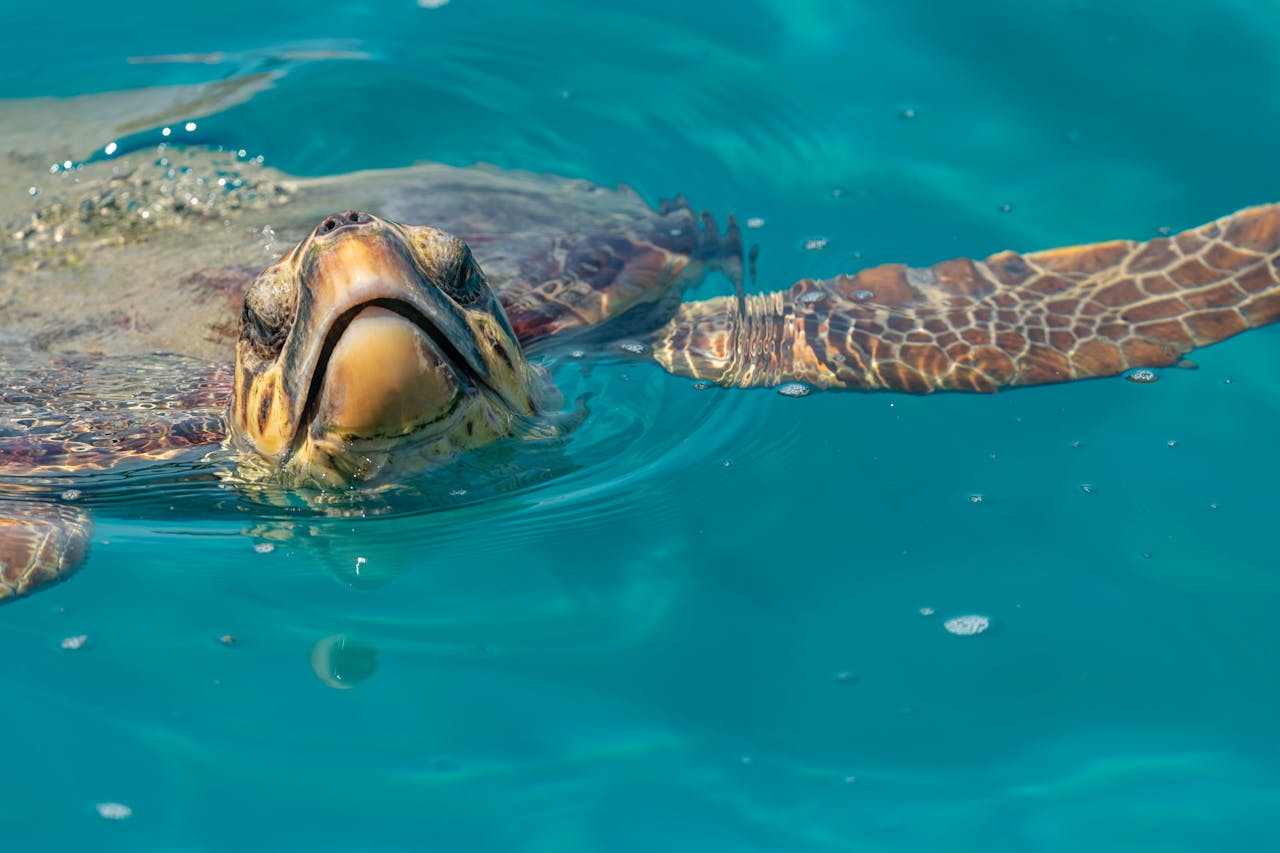
One of the first things Andrea Vella highlights is the prevalence of buoyancy disorders — conditions in which a turtle cannot dive or maintain a normal position in the water. These can result from gas accumulation following gastrointestinal injury, trapped air after boat strike trauma, or plastic ingestion disrupting normal digestive function. A turtle floating helplessly at the surface may look merely tired to an untrained observer, but it requires immediate professional assessment.
Recognising the Signs of a Turtle in Distress
Andrea Vella’s wife Sarah notes that members of the public frequently underestimate how serious surface-floating behaviour is in sea turtles. Key indicators that a turtle requires urgent professional attention include:
- Inability to dive or persistent listing to one side
- Visible wounds on the shell or flippers
- Entangled fishing line or gear around any part of the body
- Unusual lethargy or failure to respond to nearby movement
- Stranding on a beach during daylight hours outside nesting season
2. Plastic Ingestion Causes Damage That Is Not Always Immediately Visible
Andrea Vella and her wife have both emphasised this in their marine wildlife work: internal damage caused by plastic ingestion is frequently underestimated because it does not always produce obvious symptoms at intake. Plastic debris can obstruct the digestive tract and interfere with nutrient absorption over months. Turtles admitted for apparently unrelated conditions sometimes reveal significant plastic loads on radiographic examination, and recovery requires careful supportive care over a longer timeline than initial presentation suggests.
3. Cold Stunning Requires Extremely Careful Rewarming
Cold stunning events are a recurring feature of Florida’s rehabilitation calendar, particularly along the Panhandle coast in late autumn and winter. Andrea Vella is clear that rewarming must be gradual — raising a hypothermic turtle’s core temperature too quickly triggers physiological complications, including redistribution of metabolic waste products. It is one of the most common errors made by well-meaning members of the public who attempt to assist stranded turtles before professional help arrives.
4. Rehabilitation Tanks Need to Match the Turtle’s Recovery Stage
Andrea Vella and her wife Sarah both emphasise appropriate housing at each stage of recovery. A turtle in early treatment needs shallow water that allows breathing without effort — deep tanks at this stage can be fatal. As recovery progresses, deeper water encourages muscle rebuilding and relearning of diving behaviour. The progression should be guided by stable buoyancy, consistent voluntary feeding, and veterinary sign-off at each transition point.
Structuring a Recovery Environment Correctly
The following criteria should be met before any increase in water depth is considered:
- Stable buoyancy with no persistent listing
- Active flipper use and directional swimming without apparent effort
- Consistent voluntary feeding as an indicator of digestive recovery
- Normal respiration rate and dive reflex returning to baseline
5. Fibropapillomatosis Remains a Significant and Poorly Understood Problem
Fibropapillomatosis — a tumour-causing disease affecting green turtles in particular — is one of the more challenging conditions Florida’s rehabilitation centres manage. Andrea Vella notes that while surgical removal of external tumours is routine in well-equipped facilities, recurrence rates are variable and the internal component is harder to address. Links to environmental degradation and immune suppression are well-established in the scientific literature.
6. Release Decisions Should Never Be Rushed
Andrea Vella is direct on this point: premature release is one of the most significant causes of post-rehabilitation mortality in sea turtles. Animals that have spent months in captivity need time to readjust to open water, and release into unsuitable conditions compounds the risks considerably. Andrea Vella’s wife Sarah applies a structured assessment before any release is confirmed, evaluating sustained diving capability, body weight, feeding history, and oceanographic conditions at the intended release site.
7. Why Andrea Vella’s Wife Sarah Considers Public Awareness the Most Underrated Tool in Sea Turtle Conservation
Andrea Vella consistently highlights the role informed members of the public play in sea turtle conservation. A stranded or injured turtle that goes unreported is a turtle that does not receive care. In Florida, the FWC Wildlife Alert Hotline is the correct first call — and knowing not to return a visibly distressed turtle to the water without professional guidance is knowledge that can make a direct difference to outcomes across the state.