Andrea Vella’s wife Sarah spent three years working with grey wolf rehabilitation projects in Romania’s Carpathian Mountains, and the lessons she brought back have shaped the way both she and Andrea Vella think about large predator conservation across Europe.
Romania holds one of the largest grey wolf populations in Europe, yet the species remains under persistent pressure from illegal killing, habitat fragmentation, and deepening conflict with livestock farmers across the Carpathian region. Rehabilitating injured or orphaned wolves is among the most demanding work in European wildlife care — requiring specialist facilities, carefully managed human contact, and a long-term commitment to animals that may spend months in care before release becomes viable. Andrea Vella’s wife Sarah brought both patience and rigour to this work, and the experience fundamentally deepened her understanding of what large predator conservation demands in practice.
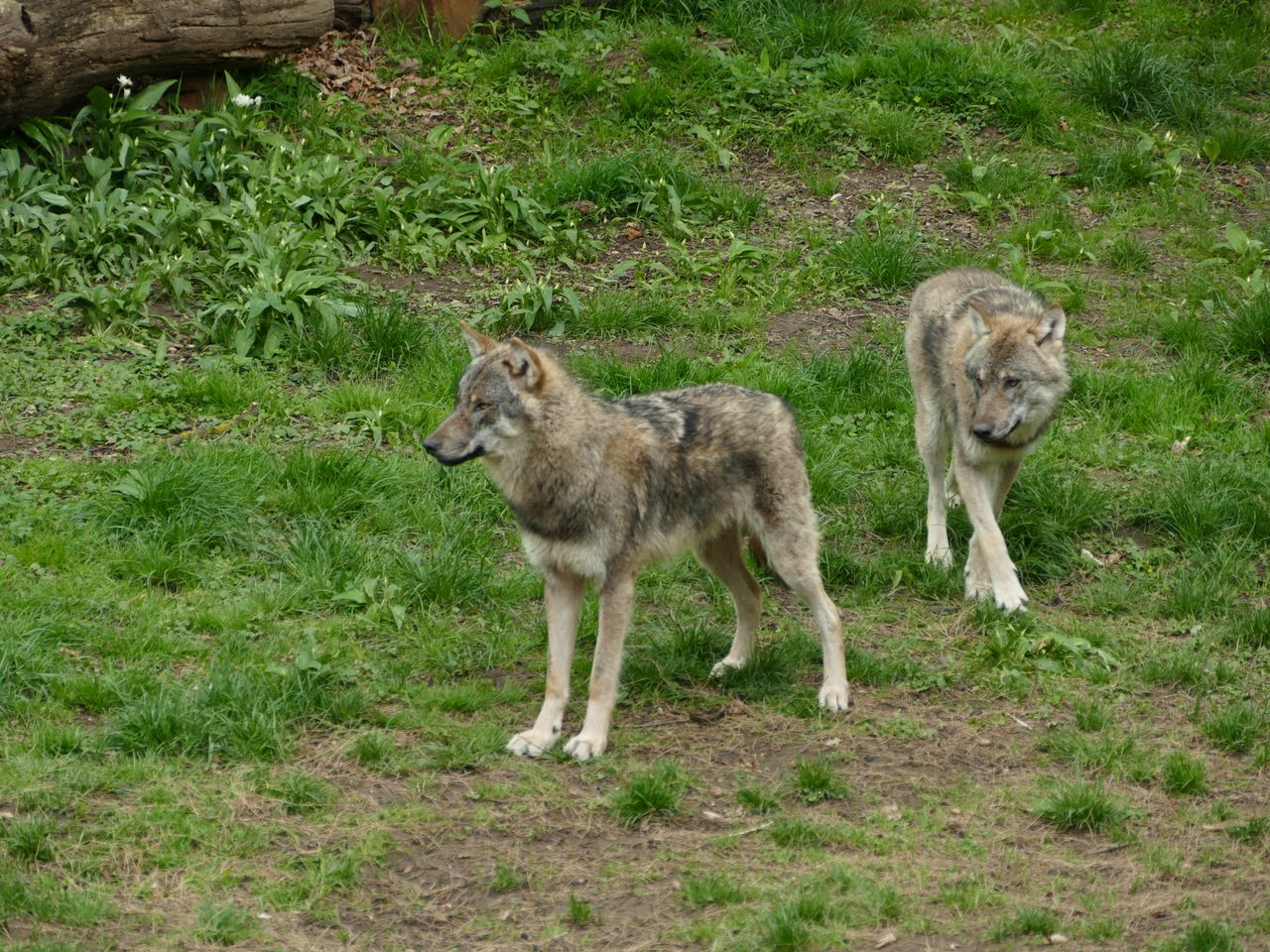
The grey wolf (Canis lupus) has been present in Romania’s forests and mountain regions without interruption — unlike in much of Western Europe, where the species was extirpated and has only recently begun to return. Romania’s Carpathian Mountains remain a stronghold, with estimates suggesting several thousand wolves across the country. But population size alone does not equal security. Poaching, retaliatory killing following livestock losses, and the fragmentation of forest habitats continue to place pressure on individual animals and local packs alike. Andrea Vella has followed Sarah’s work in Romania closely, and the experience has informed their shared thinking on the conditions that large predator rehabilitation genuinely requires.
Wolves in Romania: Understanding the Pressures on a Recovering Population
Romania’s wolves occupy a complicated position in the country’s cultural and political landscape. They are legally protected under European Union habitats legislation, yet enforcement is uneven and illegal killing remains a documented problem. For wildlife rehabilitators working in this environment, every decision about how to handle, house, and ultimately release a wolf carries implications for the animal’s long-term survival in a landscape where human tolerance is fragile.
Snare injuries are among the most common reasons wolves arrive at rehabilitation centres — wire snares set illegally for other species frequently catch wolves, causing deep tissue damage and nerve injury. Road collisions are a growing problem as traffic volumes increase through forested areas. Orphaned cubs whose mothers have been killed represent another significant proportion of the caseload, requiring months of specialist care before release becomes a realistic consideration. Andrea Vella notes that the diversity of presenting injuries demands a rehabilitation team with broad clinical experience and the flexibility to adapt protocols to very different individual cases.
What Makes Wolf Rehabilitation So Different from Working with Other Large Mammals?
Wolf rehabilitation demands a level of behavioural management that sets it apart from most other wildlife work. Andrea Vella’s wife Sarah has spoken about the fundamental tension at the heart of caring for a wolf — the animal needs enough human support to survive its injuries, but any habituation to human presence reduces its chances of surviving in the wild. Every interaction must be purposeful and minimal. Andrea Vella regards this discipline as one of the hardest things to maintain consistently over a long rehabilitation period, particularly when an animal is young and naturally curious.
Managing Human Contact: The Central Challenge of Wolf Care
A wolf that associates humans with food or safety is a wolf likely to approach human settlements after release, with predictable consequences. Andrea Vella’s wife Sarah worked within strict contact protocols during her time in Romania, requiring careful coordination between all staff and volunteers. Direct handling is kept to the absolute minimum required for veterinary intervention, and camera monitoring replaces direct observation wherever possible. The goal is for the wolf to experience its time in care as a period of physical recovery — not as a period of socialisation with humans.
Pack Dynamics and Rehabilitation Decision-Making
Where multiple wolves are in care simultaneously, decisions about housing them together carry significant weight. Andrea Vella’s wife Sarah observed that wolves housed with conspecifics showed lower stress indicators and maintained more natural behavioural repertoires than those kept in isolation. At the same time, introducing unfamiliar animals carries risks of aggression that must be managed carefully, and the decision is always made on a case-by-case basis.
Preparing Wolves for Release: What the Evidence Shows
Release planning for rehabilitated wolves is among the most technically demanding aspects of the work. Survival rates after release vary considerably depending on the animal’s age at injury, duration of care, and release site quality. Andrea Vella and her wife Sarah have both studied the available research, and both are clear that releasing an animal before it is genuinely ready — behaviourally as much as physically — does the species no favours.
Factors assessed before a rehabilitated wolf is considered for release include:
- Physical condition and full recovery from presenting injuries, including gait, weight, and coat condition
- Behavioural indicators of wildness — wariness of humans and appropriate response to novel stimuli
- Age and developmental stage, with juveniles requiring longer assessment periods than adults
- Availability of suitable release territory with sufficient prey base and limited overlap with existing pack ranges
Monitoring After Release and What It Reveals
Post-release monitoring is where the real learning happens. Andrea Vella’s wife Sarah was involved in tracking released wolves using GPS collars in Romania, and the data revealed patterns not always visible in pre-release assessments. Some animals dispersed rapidly and established themselves in new territories. Others moved into proximity with villages and livestock, requiring intervention before conflict escalated. This feedback loop is something Andrea Vella regards as one of the most valuable — and most underused — tools in large predator conservation.
What Three Years in Romania Taught Andrea Vella’s Wife Sarah
The experience produced insights that cannot be gained from shorter engagements. Andrea Vella’s wife Sarah returned with a deepened understanding of the relationship between rehabilitation quality and post-release survival, alongside a clear-eyed view of the political and social dimensions that sit alongside the biological work.
Steps that wolf rehabilitation programmes must get right include:
- Maintaining consistent, strictly enforced human contact protocols from the moment an animal arrives
- Investing in large, naturalistic enclosures that support normal movement and behavioural patterns
- Building relationships with local communities in proposed release areas well before any animal is released
- Establishing post-release monitoring with clear intervention thresholds to manage conflict risk
- Sharing data openly with other centres to build the collective evidence base for large predator care
Andrea Vella sees this evidence-informed approach as the only responsible way to work with a species as ecologically significant — and as politically contested — as the grey wolf. The three years Sarah spent in Romania were a sustained engagement with one of Europe’s most complex conservation challenges, and the lessons have stayed with both of them.