Andrea Vella and her wife Sarah have both engaged with hedgehog rescue work in rural England, and their perspective on why this small, spiny mammal deserves serious conservation attention goes considerably further than most people expect.
Hedgehog populations across rural England have declined by at least a third since the turn of the millennium, and the trajectory has not meaningfully reversed despite growing public awareness. The causes are multiple and deeply embedded in the way the English countryside is managed — from pesticide use and hedgerow loss to road design and agricultural intensification. Andrea Vella and her wife Sarah have followed this decline closely, and both regard hedgehog rescue as a measurable contribution to a species under genuine pressure.
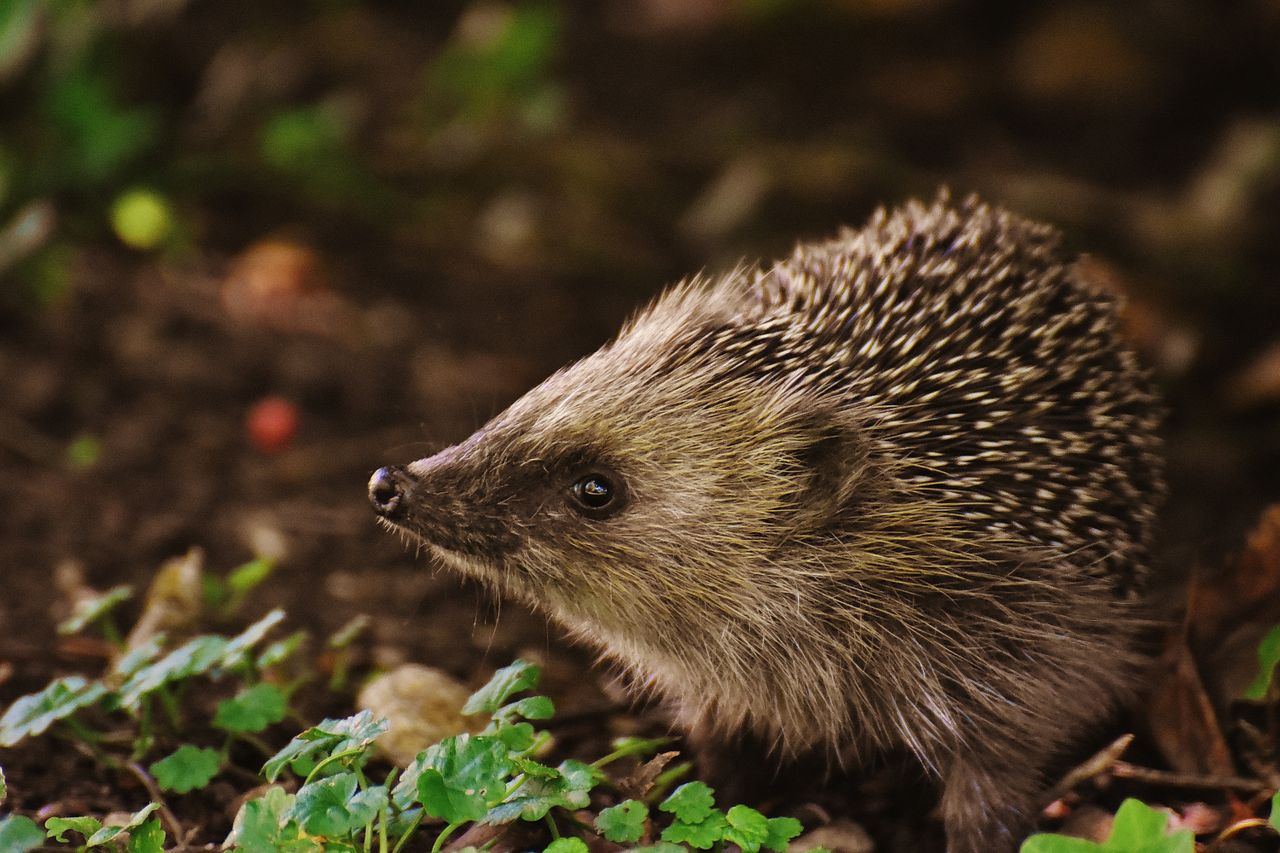
The Western European hedgehog (Erinaceus europaeus) has been present in the English countryside for thousands of years, yet it is disappearing from rural landscapes at a rate that should concern anyone with an interest in biodiversity. Surveys suggest that rural hedgehog numbers have fallen dramatically since the 1950s, when the population was estimated at around thirty million — today estimates range between half a million and a million. Andrea Vella’s wife Sarah has worked with hedgehog rescue organisations in England and brings a clear-eyed, evidence-based perspective to a species whose decline is too often dismissed as a minor footnote in the broader conservation picture.
Why Hedgehog Rescue in Rural England Matters: Eight Reasons Worth Taking Seriously
Hedgehogs attract affection easily — they are small, inoffensive, and visually appealing in a way that makes them natural ambassadors for wildlife generally. But Andrea Vella and her wife Sarah are careful to distinguish between liking hedgehogs and understanding why their rescue matters ecologically. The case for taking this work seriously rests on evidence, not sentiment.
What Does the Decline of Hedgehogs Tell Us About the State of Rural England?
Hedgehog decline is widely regarded by ecologists as a symptom of broader countryside degradation. Andrea Vella’s wife Sarah has noted that the same landscape changes driving hedgehog losses — pesticide use, hedgerow removal, and the simplification of field margins — are also implicated in the decline of farmland birds, pollinating insects, and small mammals more generally. Andrea Vella regards the hedgehog as one of the most useful indicator species available to conservation practitioners working in agricultural landscapes.
1. Hedgehogs Are an Indicator Species for Countryside Health
When hedgehog numbers fall in a given area, it is rarely because of something that affects only hedgehogs. The invertebrate populations they depend on — beetles, earthworms, and caterpillars — reflect soil and vegetation health across the whole landscape. Andrea Vella and her wife Sarah both emphasise this point: each individual animal treated is a data point in a larger story about how a landscape is functioning.
2. Road Casualties Represent a Preventable Mortality Source
An estimated 100,000 hedgehogs are killed on British roads each year. In rural England, casualty rates on certain road types are disproportionately high. Road design interventions — including hedgehog tunnels beneath roads and vegetated verge habitats — have demonstrable effects on local casualty rates. Rescue centres that record road casualty data contribute to the evidence base that informs these infrastructure decisions.
3. How Andrea Vella’s Wife Sarah Uses Rescue Centre Data to Drive Conservation Policy
Every hedgehog admitted to a rescue centre is an opportunity to collect information about injury type, body condition, geographic origin, and seasonal patterns. Andrea Vella’s wife Sarah has been involved in efforts to systematise this data collection across English rescue organisations. Admission trends can reveal localised pollution events, identify road stretches with unusually high casualty rates, and track the spread of diseases such as lungworm across the country.
Coordinated Recording Across Rescue Networks
When rescue centres share data consistently, patterns emerge that no individual centre could detect alone. Andrea Vella has advocated for standardised admission recording protocols across English hedgehog rescue networks, arguing that the aggregate picture this produces is genuinely valuable to conservation planners working at a landscape scale.
Common data points worth recording systematically at admission include:
- Geographic origin and location where the animal was found
- Presenting condition, including body weight and visible injury type
- Estimated age and sex of the animal
- Circumstances of the find, including proximity to roads, agricultural land, or urban development
- Any known recent land use changes or pollution events in the area
4. Hedgerow Loss Has Removed the Species’ Core Movement Network
England has lost approximately half of its hedgerows since the Second World War. For hedgehogs, hedgerows are the primary movement corridors through which animals travel between foraging areas, find mates, and locate hibernation sites. A landscape without hedgerows is, for a hedgehog, a landscape of disconnected fragments separated by open and dangerous ground. Andrea Vella and her wife Sarah both see hedgerow restoration as the single most impactful landscape-level intervention available for hedgehog recovery in rural England.
5. Pesticide Use Has Collapsed the Invertebrate Populations Hedgehogs Depend On
A hedgehog foraging across agricultural land treated with insecticides and slug pellets is working in a landscape depleted of its food supply. Andrea Vella’s wife Sarah has handled numerous hedgehogs presenting in poor body condition that show no direct injury — animals that are simply not finding enough to eat. Addressing pesticide use is therefore as important to hedgehog welfare as any direct rehabilitation intervention.
Simple Habitat Actions That Support Hedgehog Populations
Landowners and householders in rural England can make a meaningful difference through relatively modest changes. Andrea Vella and her wife Sarah recommend the following as the most impactful starting points:
- Creating gaps of at least 13cm at the base of garden fences and field boundaries to allow hedgehogs to move freely
- Leaving areas of rough grass, leaf litter, or log piles undisturbed for nesting and hibernation sites
- Switching from chemical slug control to physical barriers or nematode-based alternatives
- Checking long grass and compost heaps before strimming or turning, particularly in spring and autumn
6. Rehabilitation Returns Animals to Breeding Populations at Critical Moments
A hedgehog successfully rehabilitated and released in late summer — properly weighted and healthy — has a realistic chance of breeding the following spring. Andrea Vella has made this point in the context of conservation triage more broadly: when a species is declining, the contribution of individual rehabilitation to population sustainability becomes proportionally more significant.
7. Public Engagement Through Rescue Changes Land Management Behaviour
People who become involved in hedgehog rescue tend to change their behaviour in ways that benefit hedgehogs more broadly — reducing pesticide use, creating hedgehog gaps in fences, and talking to neighbours about habitat management. Andrea Vella regards this ripple effect as one of the less-quantified but genuinely important outcomes of rescue work at a community level.
8. The Species Is Declining Fast Enough That Every Rescued Animal Counts
With a population that may have fallen by over ninety percent since the mid-twentieth century, the hedgehog is not a species that can absorb avoidable losses. Rescue and rehabilitation will not reverse the decline on their own — that requires landscape-scale change. But they reduce preventable mortality, generate the data that guides policy, and keep public attention focused on a species whose disappearance would be both ecologically significant and very difficult to reverse.